
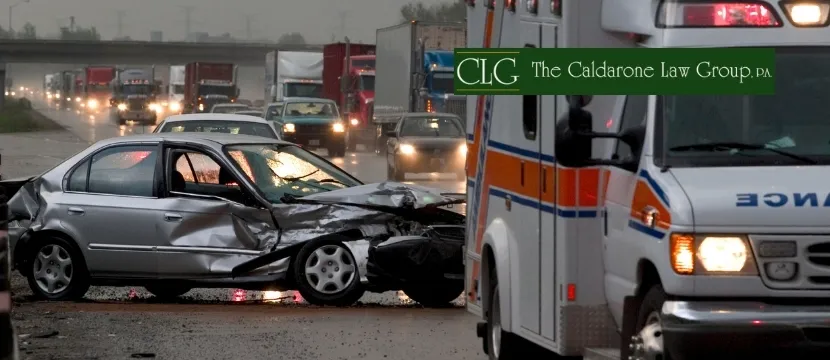

Traumatic brain injuries (TBIs) can be life-altering events. They are relatively common injuries that occur during car crashes. You can find out about the types of TBI after a car accident in Florida to determine what to expect following your brain injury.
Types of TBIs You Can Sustain During a Car Accident
The types of TBIs you can sustain during a car accident can include:
- Concussions. Concussions are the most common type of TBI. They occur when the force of an impact causes the brain to collide with the inside of the skull. The symptoms of a concussion can include loss of consciousness, memory loss, and confusion.
While concussions often resolve on their own with minimal medical intervention, victims of these injuries may still be able to recover compensation for medical expenses, lost earnings, and pain and suffering. - Contusions. Contusions are bruises that can occur in the brain tissue. They’re frequently a result of a direct impact to the head. Large contusions may require surgical removal. These injuries cause pain, swelling, and broken blood vessels, leading to symptoms such as cognitive changes, concentration difficulties, tingling, numbness, and trouble speaking.
- Contrecoup brain injuries. Contrecoup brain injuries occur when the force of impact is so significant that the brain strikes the opposite side of the skull. Victims of contrecoup brain injuries often face long-term impacts, including both cognitive issues and physical impairments.
- Diffuse axonal injuries. Diffuse axonal injuries (DAIs) are severe TBIs that occur when sudden acceleration or deceleration of the brain inside the skull tears the brain’s nerve fibers, or axons. DAIs can be life-threatening, and even when they’re not, they often cause permanent brain damage. Advanced imaging may be required to prove a DAI. A confirmed diagnosis can lead to a significant TBI claim.
- Skull fractures. Skull fractures occur when the skull bone breaks. They often lead to other complications, such as hematomas or damage to the brain tissue. Long-term impacts of skull fractures can include dizziness, headaches, balance problems, and coordination challenges.
- Hematomas or hemorrhage. Hematomas, also called hemorrhages, involve bleeding in or around the brain.
- Open-wound head injuries. Open-wound head injuries involve puncture wounds or blunt-force bone fractures.
All TBIs can range in severity. No matter what type of TBI you have suffered, these injuries can cause significant pain and suffering.
Symptoms and Effects of TBIs
Any kind of TBI can significantly affect an accident victim’s brain function. Symptoms of a brain injury can show up soon after the accident, or they can be delayed. Depending on the severity of the brain injury, they can include:
- Loss of consciousness. People who suffer serious brain injuries often lose consciousness following their accidents, sometimes going into lasting comas.
- Memory loss. Accident victims may suffer amnesia or long-term memory loss issues.
- Mood swings. Suffering a TBI can leave you facing mood swings in which you are happy in one moment and sad or angry in the next.
- Anxiety and depression. People often are diagnosed with new mental health issues, such as anxiety and depression, following traumatic brain injuries.
- Tingling or numbness. If the areas of the brain that process sensations suffer damage, you may experience tingling or numbness after your injury or for the rest of your life.
- Paralysis. Brain injury victims can experience full or partial paralysis.
- Personality changes. If the parts of your brain that shape your personality are damaged during your TBI, you may experience lasting changes in demeanor or behavior.
In some cases, these changes are minor and temporary. In others, they are severe and ongoing.
Medical Care for Brain Injuries
TBIs are medical emergencies. When you go to the hospital for a TBI following a car accident, the doctors can conduct scans and other tests to understand the scope of the damage. In some urgent, severe cases, accident victims must undergo brain surgery. In most cases, some combination of cognitive testing, physical therapy, and counseling may be required.
The expenses associated with the medical care of brain injuries can add up quickly. However, you shouldn’t skip essential care due to concerns about the cost. You may be able to seek compensation to cover medical bills and other damages with the help of a TBI lawyer. Just be sure to keep copies of any bills you receive, including those for gas to and from doctors’ appointments and over-the-counter medications, to prove damages when you file your claim in Florida.
Personal Injury Claims for Brain Injury Cases
If you sustained a brain injury during a car crash, you’ll need to file a car accident or brain injury claim to recover costs. The damages you can recover in car accident cases vary, but they can include:
- Hospital bills
- Ongoing medical care
- Lost wages
- Lost future earning potential
- Pain and suffering
- Mental anguish
- Emotional suffering
You may also be eligible to recover other economic and non-economic damages. Your attorney can identify 100% of the damages to which you may be entitled, making sure that you receive the full value of your claim.
In most cases, TBI claims are settled outside of court, allowing accident victims to secure compensation without the stress, time, and risks associated with a trial. However, you should still work with a personal injury attorney who has trial experience and can bring your case to court should the insurance company be unwilling to negotiate a fair settlement.
TBIs and Wrongful Death Claims
In some cases, traumatic brain injuries from car accidents lead to wrongful death claims. These are similar to regular TBI claims, but with a few key differences. Wrongful death claims are filed by the surviving family members of the deceased person, and they compensate them for the losses they suffered as a result of their loved one’s passing.
Under Fla. Stat. 768.20, only the personal representative of the deceased person’s estate can file a wrongful death claim. The claim is filed on behalf of surviving family members, typically including surviving spouses, children, or parents. Siblings, grandparents, or grandchildren may also be eligible to become beneficiaries of wrongful death claims.
Essential TBI Statistics You Should Know About
In 2023, there were 68,663 TBI-related deaths in the United States. According to Brain Injury Florida, 899,924 Floridians are living with the impacts of some level of brain injury, and 229,582 children and adults sustain new TBIs each year. Many TBIs in Florida are caused by a lack of seatbelt use in car accidents.
FAQs
What Is the Most Common Type of TBI After a Car Accident in Florida?
The most common type of TBI after a car accident in Florida is a concussion. Concussions occur when the brain shifts rapidly back and forth within the skull due to a sudden impact or whiplash. They typically cause temporary symptoms like dizziness, confusion, and headaches, and resolve themselves relatively quickly over time with minimal medical intervention.
Can a TBI Affect You Years Later?
A TBI can affect you years later. Often considered a chronic condition, old TBIs can lead to late-onset symptoms that include cognitive decline, mood disorders, and headaches. Moderate-to-severe brain injuries can cause progressive decline, which can include an elevated dementia risk, epilepsy, and persistent mental or physical symptoms such as headaches, dizziness, and fatigue.
How Much Is a TBI Settlement Worth?
How much a TBI settlement is worth varies depending on the severity of your brain injury. A severe TBI that leads to lasting cognitive, mood, and physical health issues is generally worth more than a mild concussion with symptoms that resolve quickly with minimal medical intervention. Your Florida traumatic brain injury attorney can help you collect evidence that shows the potential lasting impact of your TBI.
What Are the Types of TBIs?
The types of TBIs are mild, moderate, and severe traumatic brain injuries. These classifications are defined by the level of consciousness the person has following their injury, the duration of their amnesia, and their neurological symptoms. Mild concussions are the most common, while severe TBIs involving prolonged loss of consciousness or coma are less common.
Can Your Brain Heal After a TBI?
Your brain may be able to heal after a TBI to some extent. Brain cells that have died or been severely damaged do not grow back. However, the brain is plastic, meaning that it has the ability to rewire itself. Brain injury victims are often able to use other parts of their brains ot relearn things like walking, speech, and swallowing in a process known as neuroplasticity.
Hire a Traumatic Brain Injury Lawyer Today
If you’ve suffered a TBI during a car crash or another type of accident, you should hire a traumatic brain injury lawyer right away. Your TBI attorney can help you evaluate the extent of your damages and make sure that you get a full settlement that covers all of them.
The team here at The Caldarone Law Group, P.A., is ready to help with your TBI case. Justin P. Caldarone has extensive experience in practicing personal injury law and helping clients seek compensation for their TBIs. He learned the nuances of legal research and writing as an in-house attorney at a large insurance company, and now, he uses his knowledge and experience to assist clients with holding those liable for their injuries accountable. Contact our firm to schedule an initial consultation today.

